In today’s technology-driven world, mobile QR codes have emerged as a vital tool for contactless information sharing. Whether used in marketing, events, or everyday social interactions, QR codes streamline how users access information quickly and efficiently. By simply scanning a code with their smartphones, individuals can instantly retrieve details such as website links, digital business cards, and product specifications, eliminating the need for physical handouts. This not only enhances convenience but also supports health-conscious practices by reducing touchpoints. Understanding how to effectively use these codes can significantly improve both personal and business communications.
What is a Mobile QR Code?
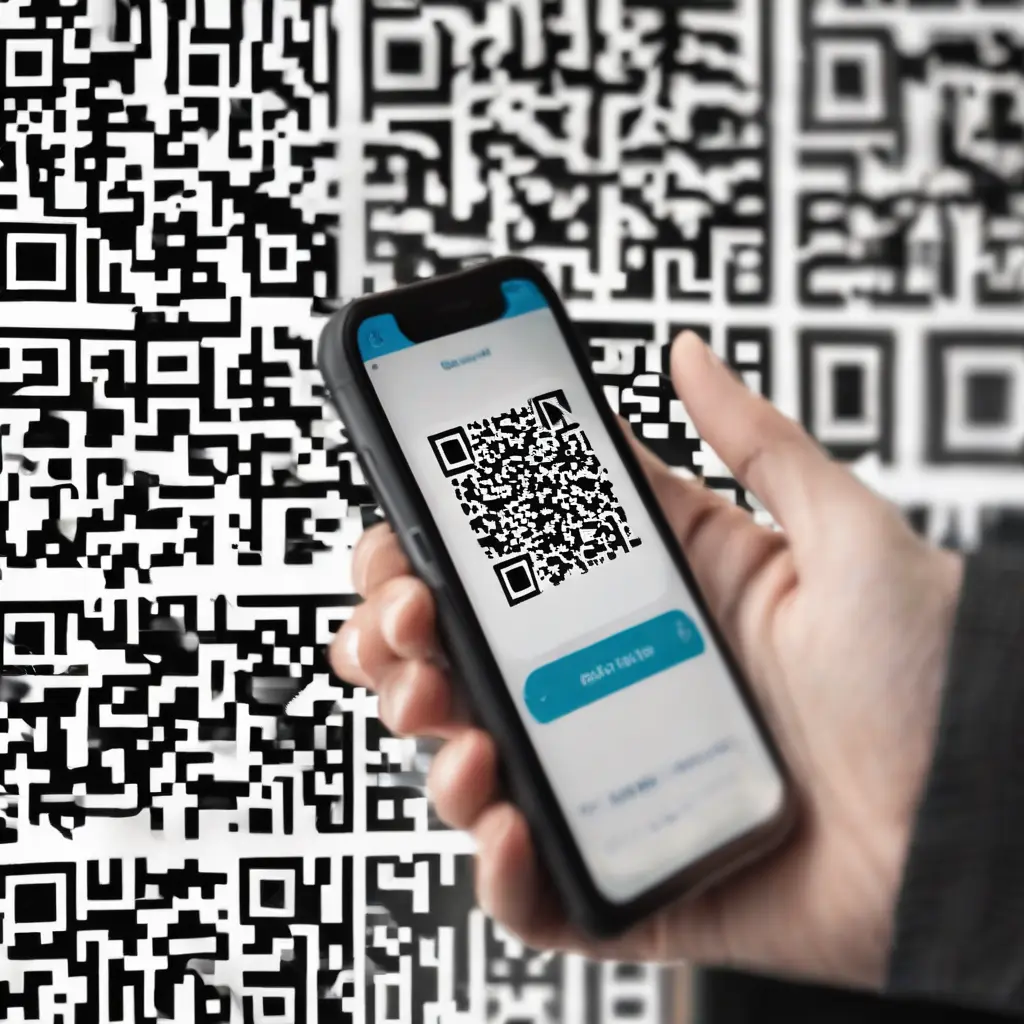
A mobile QR code, or Quick Response code, is a two-dimensional barcode that can be scanned using smartphone cameras or dedicated QR code scanners. These codes store various types of data, including URLs, text, and contact information. When scanned, they redirect users to the content embedded within them, making it a versatile tool for information sharing. Unlike traditional barcodes, QR codes can hold significantly more data, and their design is adaptable, enabling businesses to incorporate logos and custom colors. This functionality makes QR codes a practical choice for a wide range of applications in marketing and communication.
Benefits of Using QR Codes for Information Sharing
The benefits of using QR codes for information sharing are extensive and significant. They provide instant access to digital content, enabling users to obtain information without the hassle of typing long URLs or dealing with physical materials. QR codes enhance user engagement, as they allow businesses to share promotional material, product details, and links to social media profiles effortlessly. Additionally, due to their contactless nature, QR codes promote safety in an increasingly health-conscious world, allowing for interactions without physical contact. This feature is particularly beneficial during events or gatherings where social distancing is encouraged.
How to Generate a Mobile QR Code
Generating a mobile QR code is a straightforward process that can be accomplished in several easy steps. First, choose a reliable QR code generator, many of which are freely accessible online. Next, input the information you wish to share, such as a URL or contact details. Customize the design if you wish by selecting colors or adding logos, which can help further brand your QR code. Finally, download the generated QR code in an appropriate format for your intended use, such as PNG or JPEG. Once created, you can begin sharing the code across various platforms, including print and digital media.
Best Practices for Using QR Codes
To maximize the effectiveness of your QR codes, adhering to best practices is crucial. First, ensure that your QR code is easily scannable by keeping it at an adequate size and avoiding overly complex designs. Place the code in a highly visible location where users can quickly scan it without obstructions. Additionally, consider adding a short text description near the QR code explaining what scanning the code will yield, which can entice more users to engage. Lastly, track the performance of your QR codes by using analytics tools available with some QR code generators, allowing you to measure user interactions and make improvements.
Common Uses of Mobile QR Codes
Mobile QR codes are utilized in numerous scenarios, enhancing both personal and professional settings. In the business realm, they frequently appear on marketing brochures, product labels, and billboards to direct customers to websites or promotions. During events, organizers use QR codes for ticketing, guiding attendees to schedules or interactive content. These codes also find a place in restaurants, allowing diners to view menus digitally or access contactless payment options. Such diverse applications highlight the versatility of QR codes, making them a powerful tool in enhancing communication and information sharing.
QR Codes for Networking
In networking contexts, QR codes can significantly streamline the exchange of contact information. Instead of handing out traditional business cards, professionals can use QR codes that link directly to their digital business cards or LinkedIn profiles. This modern approach not only saves time but also reduces paper waste, aligning with eco-friendly practices. Furthermore, attendees at conferences or trade shows can conveniently scan each other’s QR codes to connect instantly, facilitating more engaging and productive networking experiences. This method simplifies follow-ups and enhances professional relationships efficiently.
Security Considerations for QR Codes
As with any technology, security is a critical consideration when using QR codes. Cybercriminals sometimes exploit QR codes to lead users to malicious websites or phishing attempts. To mitigate these risks, ensure that the codes you create or scan come from reputable sources. Users should also be cautious about scanning codes from unknown or suspicious places, as these could endanger personal or sensitive information. Implementing security guidelines, such as educating users on potential risks and encouraging verification of URLs before entering personal data, can foster a safer QR code experience.
Integrating QR Codes with Social Media
Integrating QR codes with social media platforms serves as an effective way to increase online engagement and visibility. Businesses can create QR codes that link directly to their social media profiles or specific campaigns, simplifying the process for potential followers. This strategy allows users to connect with brands seamlessly while on the go. For instance, restaurants can utilize QR codes on tables linking to their Instagram pages showcasing menu items, enticing customers to engage digitally. By effectively utilizing QR codes in conjunction with social media, brands can enhance their online presence and foster a community around their offerings.
Innovative Applications of QR Codes
Beyond traditional uses, innovative applications of QR codes continue to emerge, enhancing their relevance across various sectors. In education, QR codes can provide students with supplementary resources, direct access to video lectures, or unlock interactive learning materials. In healthcare, they can be used to share essential health information or provide access to medical records and patient education materials. Additionally, many artists and musicians are incorporating QR codes into their work, linking viewers to digital content or behind-the-scenes insights. These creative uses reflect the adaptability of QR codes in enriching user experiences across different fields.
Conclusion
Mobile QR codes have transformed contactless information sharing, offering convenience and efficiency across various applications. By understanding how to generate, deploy, and optimize QR codes, individuals and businesses can enhance interactions while promoting safety in an increasingly digital world. As technology continues to evolve, embracing QR codes can provide significant advantages in communication strategies, making it an invaluable tool for everyone.