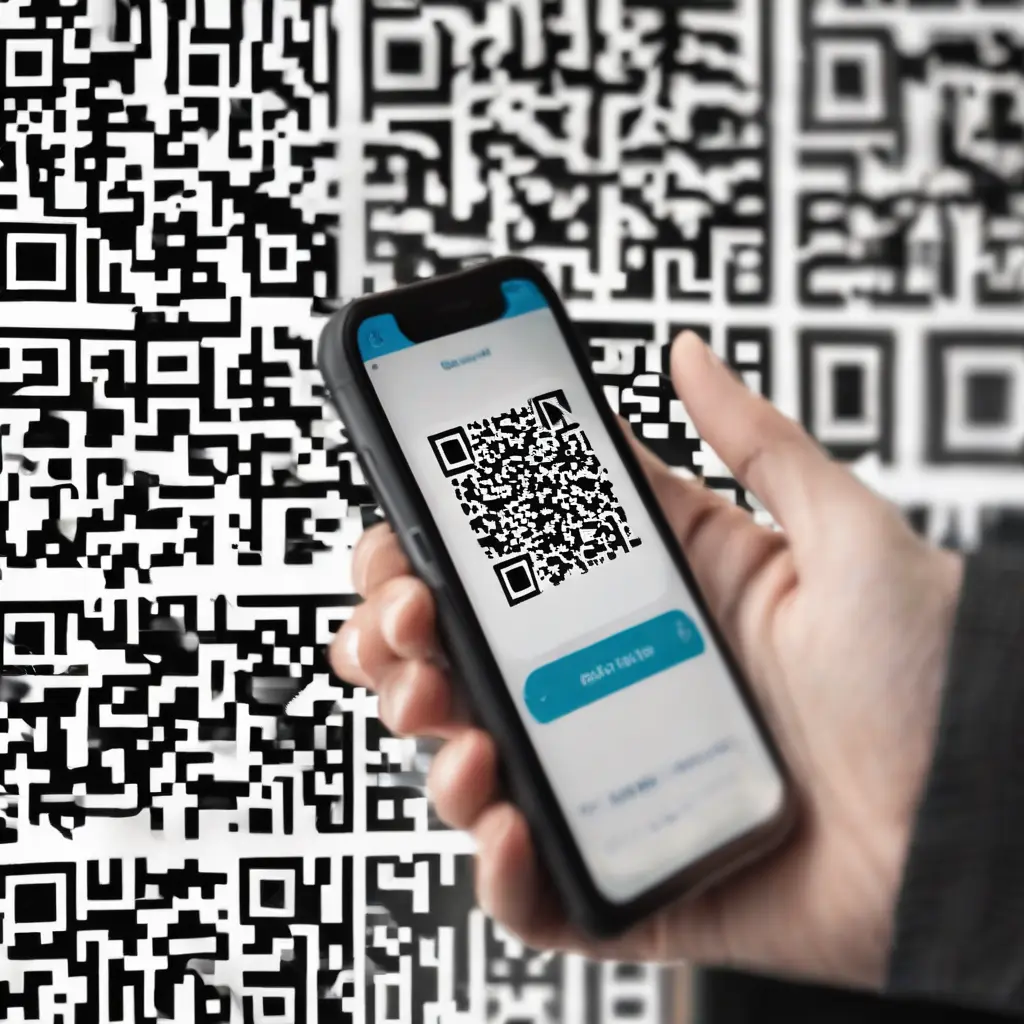
In an increasingly digital world, mobile QR codes have become essential tools for contactless information sharing. These versatile codes can quickly link users to websites, documents, or online forms with just a scan. Their convenience, combined with the growing emphasis on hygiene and contactless interactions, makes QR codes an ideal solution for businesses, educational institutions, and individuals. This guide will explore the various ways to utilize mobile QR codes effectively and the potential benefits they offer in diverse scenarios.
Understanding QR Codes and Their Functionality
QR codes, or Quick Response codes, are two-dimensional barcodes that can store a variety of data types, including URLs, text, and contact information. Unlike traditional barcodes, which require a specific orientation, QR codes can be scanned from any angle, making them user-friendly. With the expansion of smartphone capabilities, scanning QR codes has become a common practice. Smartphone cameras recognize these codes, transforming them into hyperlinks or other data that users can instantly access. Understanding this functionality is essential for effectively utilizing QR codes in any information-sharing context.
Generating QR Codes for Your Needs
Creating a QR code is a straightforward process, with numerous online tools available for free or at a low cost. Users can simply enter the information they wish to share, such as a URL or contact details, and the tool generates a corresponding QR code. It’s advisable to customize your QR code with colors or branding elements to enhance its appeal and brand recognition. Once generated, ensure you test the QR code across different devices to confirm that it directs users to the intended content without errors.
Embedding QR Codes in Marketing Materials
QR codes can significantly enhance marketing strategies by providing quick access to promotional materials. Including QR codes on flyers, business cards, and posters allows potential customers to effortlessly reach your website or social media pages. This tactic not only streamlines the information-sharing process but also encourages increased engagement, as users are more likely to follow links that require minimal effort. Consider utilizing QR codes for special promotions or events, offering exclusive content that incentivizes users to scan and learn more.
Using QR Codes for Business Networking
In today’s fast-paced business environment, networking is crucial, and QR codes facilitate seamless connections. Professionals can include QR codes on their business cards that link directly to their LinkedIn profiles or portfolios. This approach eliminates the need for manual data entry while ensuring that potential contacts have immediate access to comprehensive background information. Furthermore, having a QR code allows for efficient networking at events or conferences, where numerous interactions occur in a short timeframe. The convenience of accessing information instantly can leave a lasting impression.
Implementing QR Codes in Educational Settings
Educational institutions can leverage QR codes to enhance the learning experience for students. Teachers can use QR codes to link to supplementary materials or resources, providing students with immediate access to additional information or activities. Classroom activities can be made interactive by incorporating QR codes into assignments or projects, encouraging students to explore and engage more deeply with the subject matter. Additionally, QR codes can streamline administrative processes by linking to forms or surveys, making it easier for students and parents to participate.
Enhancing Customer Experience with QR Codes
Businesses can significantly boost customer satisfaction by using QR codes to offer quick access to essential information. For instance, restaurants can display QR codes on tables that allow patrons to view menus or order directly from their mobile devices. This reduces wait times and minimizes physical contact, emphasizing a safe dining environment. Similarly, in retail, QR codes can provide detailed product information or customer reviews, helping shoppers make informed decisions. By utilizing QR codes effectively, businesses can enhance the overall customer experience.
Utilizing QR Codes for Contactless Payments
The implementation of QR codes in payment systems has revolutionized the way transactions are conducted, particularly in a contactless environment. Many payment platforms now offer QR code options, allowing customers to pay by simply scanning a code displayed at the checkout. This method enhances safety by minimizing physical contact and facilitating faster transactions. For businesses, adopting QR code payments can streamline processes and reduce the need for cash handling, leading to a more efficient operation overall.
Best Practices for QR Code Usage
To maximize the effectiveness of QR codes, adhering to best practices is crucial. Always ensure that the information linked to the QR code is mobile-friendly, as most users will scan via smartphones. It’s advisable to place QR codes in visible and accessible locations to encourage user interaction. Additionally, monitoring the performance of QR codes through analytics can provide insights into user engagement and allow for adjustments in strategy. Regularly update the content linked to your QR codes to provide fresh information, keeping users returning for more.
Addressing Security Concerns with QR Codes
While QR codes offer convenience, they can also pose security risks if not properly managed. Users should be cautious when scanning unknown QR codes, as they may link to malicious sites or downloads. Businesses should direct users to secure, notable websites and avoid using QR codes for sensitive transactions without additional security measures, such as encryption. Educating users about scanning practices and potential vulnerabilities is essential for enhancing overall safety while using QR codes.
Future Trends in QR Code Technology
As technology evolves, so do the applications of QR codes. Emerging trends show potential integrations with augmented reality (AR) and artificial intelligence (AI), enhancing interactivity and user engagement. For instance, QR codes may soon link to AR experiences that offer immersive content upon scanning. Additionally, businesses are exploring dynamic QR codes that can change URLs without creating a new code, allowing greater flexibility in marketing campaigns. Staying abreast of these advancements will empower users and businesses to leverage QR codes more effectively in the future.
Conclusion
In summary, mobile QR codes serve as a powerful tool for contactless information sharing across numerous contexts. By understanding their functionality and employing best practices, individuals and organizations can maximize their potential while enhancing user experience. As technology continues to innovate, the role of QR codes will likely expand, offering even more opportunities for efficient communication and interaction.