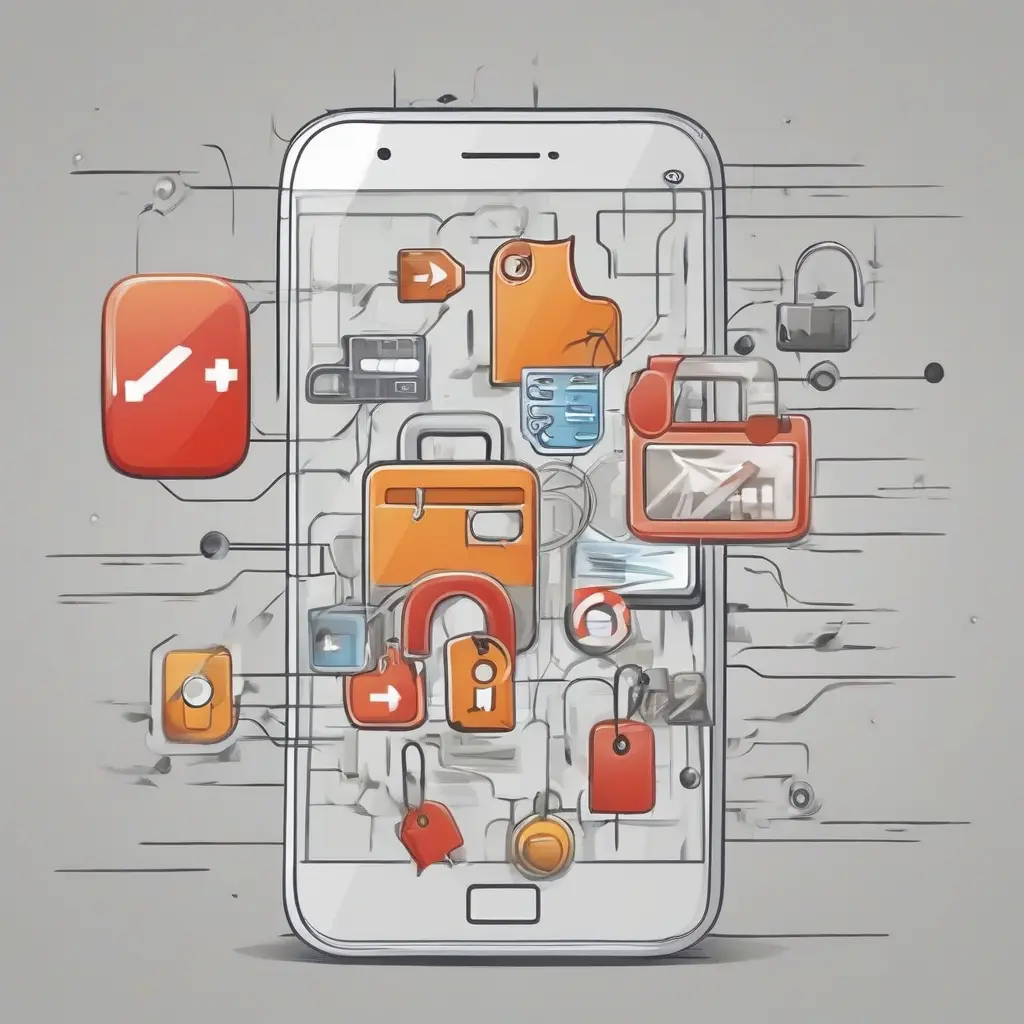
In today’s digital age, ensuring the security of your mobile data is more critical than ever. With the increasing number of cyber threats and data breaches, enabling mobile data encryption can safeguard your personal information from unauthorized access. This guide will walk you through the steps to activate encryption on various mobile devices, making your data nearly inaccessible to hackers and intruders. By following these guidelines, you can enhance your overall security posture and contribute to a safer online experience.
Understanding Mobile Data Encryption
Mobile data encryption refers to the process of encoding data stored on mobile devices, ensuring that only authorized users can access it. This technology works by converting readable information into an unintelligible format, making it difficult for anyone attempting to intercept or steal the data. When a user tries to access the encrypted data, they must provide a decryption key, typically a password or biometric authentication. Understanding this concept is crucial for anyone looking to bolster their device security, as it protects sensitive information from prying eyes.
Why Mobile Data Encryption is Important
The importance of mobile data encryption cannot be overstated, especially with the rise of data breaches and identity theft. Encrypting your mobile data shields your personal information, including addresses, financial details, and login credentials from potential threats. In the event of your device being lost or stolen, encryption acts as an additional security layer, preventing unauthorized access to your sensitive data. Furthermore, many regulations now require encryption to protect personal data, making it not just a safety measure but also a compliance necessity.
How to Enable Encryption on Android Devices
To enable encryption on Android devices, start by ensuring your device is charged and powered on. Navigate to the ‘Settings’ app, and select ‘Security’ or ‘Security & Location’ depending on your Android version. Look for the option labeled ‘Encrypt Phone’ or ‘Encrypt Tablet.’ A prompt will inform you about the encryption process, which may take an hour or more, depending on your device’s storage size. Keep in mind that once your phone is encrypted, you will need to enter a password or PIN each time you access your device.
How to Enable Encryption on iOS Devices
For iPhone and iPad users, enabling encryption is a straightforward process. Most iOS devices come with encryption enabled by default, but to ensure your data is safe, go to ‘Settings,’ then select ‘Face ID & Passcode’ or ‘Touch ID & Passcode.’ Here, ensure you have a strong passcode set. To further enhance security, enable ‘Data Protection,’ which automatically encrypts email and other sensitive data when your device is locked. Regularly updating your device to the latest iOS version also helps maintain security and encryption standards.
Using Third-Party Encryption Apps
In addition to built-in encryption options on mobile devices, various third-party apps provide enhanced encryption features for your data. Popular applications like Signal and WhatsApp offer end-to-end encryption for messages and calls, ensuring only you and the intended recipient can access the communication. For file encryption, apps like VeraCrypt or Crypt4All allow you to encrypt documents and images before sharing or storing them on your device. When choosing third-party encryption solutions, it’s essential to select reputable applications with a strong track record in security.
Maintaining Your Device’s Security
Enabling data encryption is a significant step towards securing your mobile device, but it should be part of a comprehensive security strategy. Regularly updating your operating system and applications can fix vulnerabilities that hackers may exploit. Additionally, consider enabling multifactor authentication (MFA) whenever possible, as it adds another layer of defense. It’s also wise to be cautious about the applications you download, as untrusted sources can pose risks to your device’s security. By taking these measures, you can significantly enhance your mobile data security.
Common Misconceptions About Mobile Data Encryption
Despite its importance, several misconceptions about mobile data encryption persist. One common myth is that encryption slows down device performance significantly; however, modern devices are designed to handle encryption with minimal impact on speed. Another misconception is that encryption guarantees complete security; while it is a strong protective measure, it should be complemented with additional security practices. Understanding these misconceptions helps users utilize encryption more effectively and reinforces its value in a broader security strategy.
Evaluating Encryption Success
After enabling encryption on your mobile device, it’s crucial to evaluate its success. A simple test is to restart your device and ensure you are prompted to enter your passcode or biometric authentication. Additionally, you can attempt to access your files without proper authentication to ensure they remain inaccessible. Regularly reviewing your security settings and encryption status can help identify any issues and keep your data protected. It’s also beneficial to stay informed about security updates that may enhance encryption protocols and overall device security.
The Future of Mobile Data Encryption
As technology evolves, so does mobile data encryption. Future advancements may include more sophisticated algorithms, making it increasingly difficult for unauthorized parties to access sensitive information. Furthermore, the integration of artificial intelligence in encryption technologies promises adaptive security measures, enhancing user protection. Staying updated on these advancements and implementing best practices will be vital for users who want to remain ahead in the constantly changing landscape of mobile security.
Conclusion
Enabling mobile data encryption is an essential practice for anyone seeking to protect their personal information in an increasingly digital world. By understanding the importance of encryption, following the steps to enable it on your devices, and adopting additional security practices, you can significantly elevate your data protection efforts. As cyber threats continue to evolve, staying informed and proactive is vital for ensuring your mobile data remains safe.